



Discover 7 Everyday Ways AI is Transforming Our Business Success
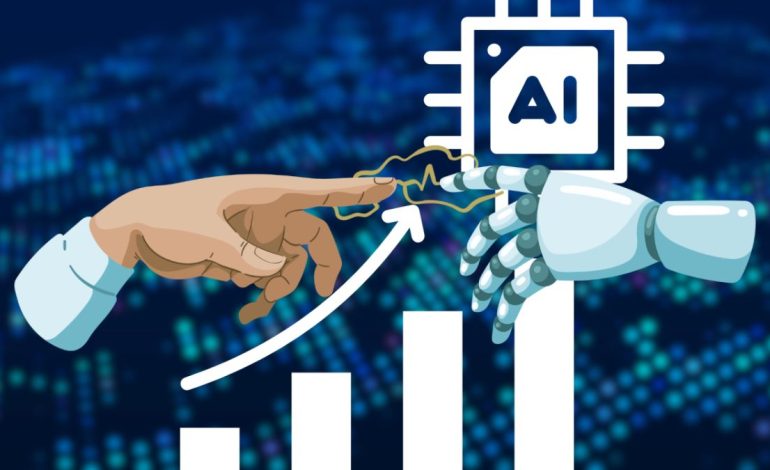

Technology has fundamentally changed how businesses operate. Advanced systems now handle tasks that once consumed countless hours of human effort. The result is a transformation in efficiency, decision making, and customer satisfaction. We’ve seen it firsthand in our operations. Here are seven practical ways smart technology is reshaping how we work every single day.
1. Routine Work Gets Done Automatically
Every business has tedious work that has to happen but takes up enormous amounts of time. Data entry. Invoice processing. Inventory tracking. The kind of work that’s important but doesn’t require much judgment.
Modern systems handle this work automatically. A system processes invoices without human intervention. Another updates client records and alerts us when something looks wrong. Instead of staff spending hours on routine work, they focus on problems that actually need thinking and judgment.
The payoff is real. Fewer mistakes. More consistency. Hours of human time freed up every single week. That’s efficiency that actually matters to the bottom line.
2. Customer Service Works Around the Clock
Customers don’t have questions only during business hours. They want help at midnight. They need answers on weekends. Traditional customer service can’t match that demand.
Automated support systems now answer common questions instantly. They’re available anytime. Customers get immediate responses instead of waiting for the next business day. For more complex issues, the system flags them for human staff to handle. And beyond just answering questions, these systems learn what each customer likes and suggest products or services tailored to them.
The result is customers who feel cared for. People who get the help they need fast. Personalized experiences instead of one size fits all service.
3. Data Becomes Useful Information
Every company has massive amounts of data. Customer records. Sales history. Website interactions. Inventory numbers. The challenge is turning all that raw data into decisions.
Modern analytical systems process this data and identify patterns humans would never spot. They see trends forming. They forecast what customers will want. They flag risks before they become problems. In marketing, we use these systems to see which campaigns actually work and which ones don’t. The result is smarter decisions made faster, with actual data behind them instead of guesses.
This transforms strategy. Instead of hoping your decisions are right, you know because the data shows it.
Also Read:
How Apple Is Using Visual Artificial Intelligence to Shape Future Technology
4. Supply Chain Management Gets Smarter
Getting products to customers requires coordination across manufacturers, suppliers, warehouses, and delivery services. One delay cascades into many problems. Managing this is incredibly complex.
Advanced systems now predict what you’ll need to sell and plan accordingly. They watch shipments in real time and spot when something is going wrong. They recommend adjustments to prevent delays. Inventory stays at the right levels so you don’t waste money on excess stock but also don’t run out when customers want to buy.
The benefits are lower costs, faster delivery, and happier customers who can actually get what they want when they want it.
5. Sales and Marketing Get Focused
Salespeople spend too much time on prospects that will never buy. Marketing sends messages to people who don’t care. Wasted effort. Wasted money.
Smart systems analyze customer behavior and identify who’s actually likely to buy. They help sales teams focus on the prospects with real potential. Marketing systems test different approaches in real time and double down on what works. The system even predicts which companies will be good customers and which ones won’t.
The outcome is higher sales, lower costs, and a sales team that spends time on opportunities that actually matter.
6. Security Gets Better and Smarter
Cybercriminals are constantly evolving their tactics. Traditional security methods can’t keep up. By the time humans spot a threat and respond, damage is already done.
Modern security systems watch for unusual activity continuously. They recognize patterns of attacks and respond before damage happens. They learn from new threats and adapt. The system is always watching, always learning, always staying ahead of criminals.
This matters for us and for customers. Protected data. Avoided breaches. Trust maintained. All because systems can react faster and smarter than any human team could.
7. Innovation Happens Faster
Building new products is risky. You invest money and time and hope it works. Many ideas fail. That’s expensive.
Systems now analyze market trends and customer feedback to spot opportunities. They simulate products and test ideas virtually before investing in real development. Teams can test multiple approaches and see what works before committing real resources. Ideas that won’t work get discarded early. Ideas that have promise get developed.
The result is faster innovation. Products that match what customers actually want. Less money wasted on ideas that won’t work.
The Bottom Line
This isn’t theoretical. It’s happening right now in our business. Routine work that used to consume days gets done in minutes. Customer service improves. Decisions get better. Costs go down. Employees actually spend time on meaningful work instead of tedious tasks.
The companies winning today aren’t the ones with the most people. They’re the ones that use technology smartly. They combine human judgment with systems that can process information faster than any human could. They focus their teams on what humans do best: strategy, creativity, relationship building, and problem solving that requires experience and wisdom.
If you’re running a business and not using these kinds of systems, you’re falling behind. It’s not a future advantage anymore. It’s how business works now.
The companies that understand this are growing faster. They’re more profitable. They serve customers better. And honestly, they’re more fun to work for because people spend time on work that actually matters.
Modern technology is transforming business. The question isn’t whether to use it. The question is how quickly you can implement it and get ahead of competitors who are still doing things the old way.
Also Read: